The Challenge
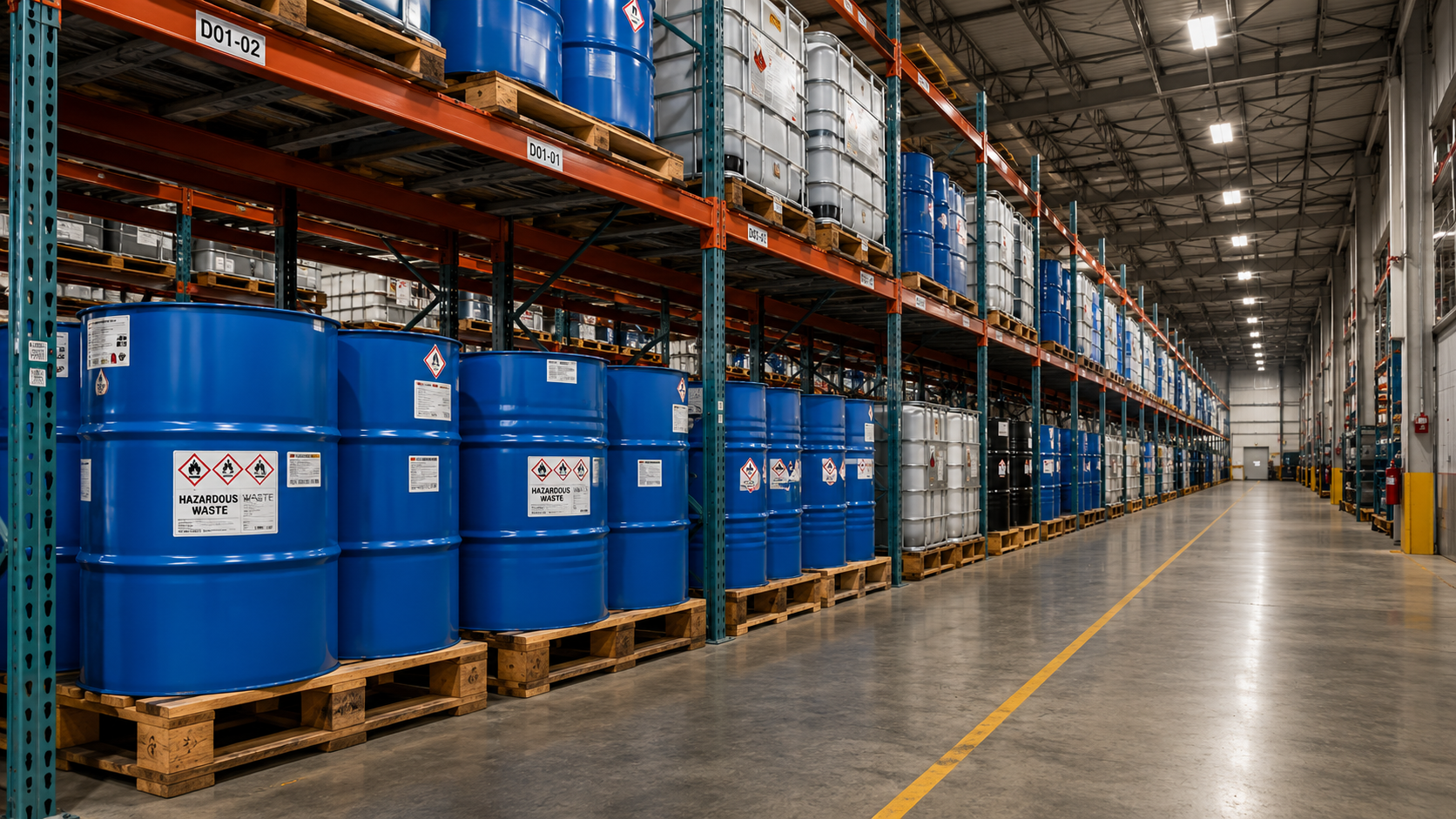
The client operated a growing warehouse and logistics operation and was preparing to expand its services to include storage and handling of hazardous materials. While management understood the business opportunity, they also recognized that hazardous materials storage introduces additional regulatory, safety, and liability considerations. The organization wanted to ensure that its facility, procedures, and employee responsibilities were aligned with applicable requirements before increasing the volume and variety of hazardous materials handled on site. Leadership also wanted confidence that the operation would meet the expectations of customers, insurers, regulators, and local authorities having jurisdiction.
STARS’ Assessment Process
STARS conducted a comprehensive assessment of the warehouse operation, focusing on hazardous materials storage, handling practices, employee responsibilities, facility controls, and documentation systems. The review evaluated applicable DOT transportation requirements, OSHA hazard communication considerations, fire code implications, emergency planning practices, and operational workflows. Particular attention was given to understanding how hazardous materials would move through the facility—from receiving and storage through order fulfillment and outbound transportation. The assessment also considered practical operational realities, including staffing, training requirements, inventory management processes, and customer expectations.
Key Findings
- Hazardous materials responsibilities were not fully defined across warehouse personnel and management.
- Opportunities existed to strengthen receiving, storage, and inventory control procedures.
- Additional employee training would improve consistency and reduce operational risk.
- Facility documentation and compliance records could be better organized and managed.
- Emergency planning and response procedures would benefit from greater integration with day-to-day operations.
Corrective Actions
Emergency planning and response procedures would benefit from greater integration with day-to-day operations. Recommendations included development of standard operating procedures, employee training programs, hazardous materials acceptance criteria, storage management controls, documentation processes, and periodic compliance verification activities. Additional guidance was provided regarding facility inspections, emergency planning, inventory management, and coordination with local emergency responders and regulatory authorities. The focus was not simply regulatory compliance, but development of a system that employees could realistically implement and maintain.
The Results
The client established a structured hazardous materials compliance program that supported business growth while improving operational control and reducing risk. Employee responsibilities became clearer, procedures became more consistent, and management gained greater confidence in the organization's ability to safely handle hazardous materials. Most importantly, the company developed a scalable framework capable of supporting future expansion while meeting customer, regulatory, and insurance expectations.
Need help with a similar hazmat compliance issue?
STARS helps companies turn hazardous materials compliance concerns into practical, operationally workable solutions.
Talk With STARS →