The Challenge
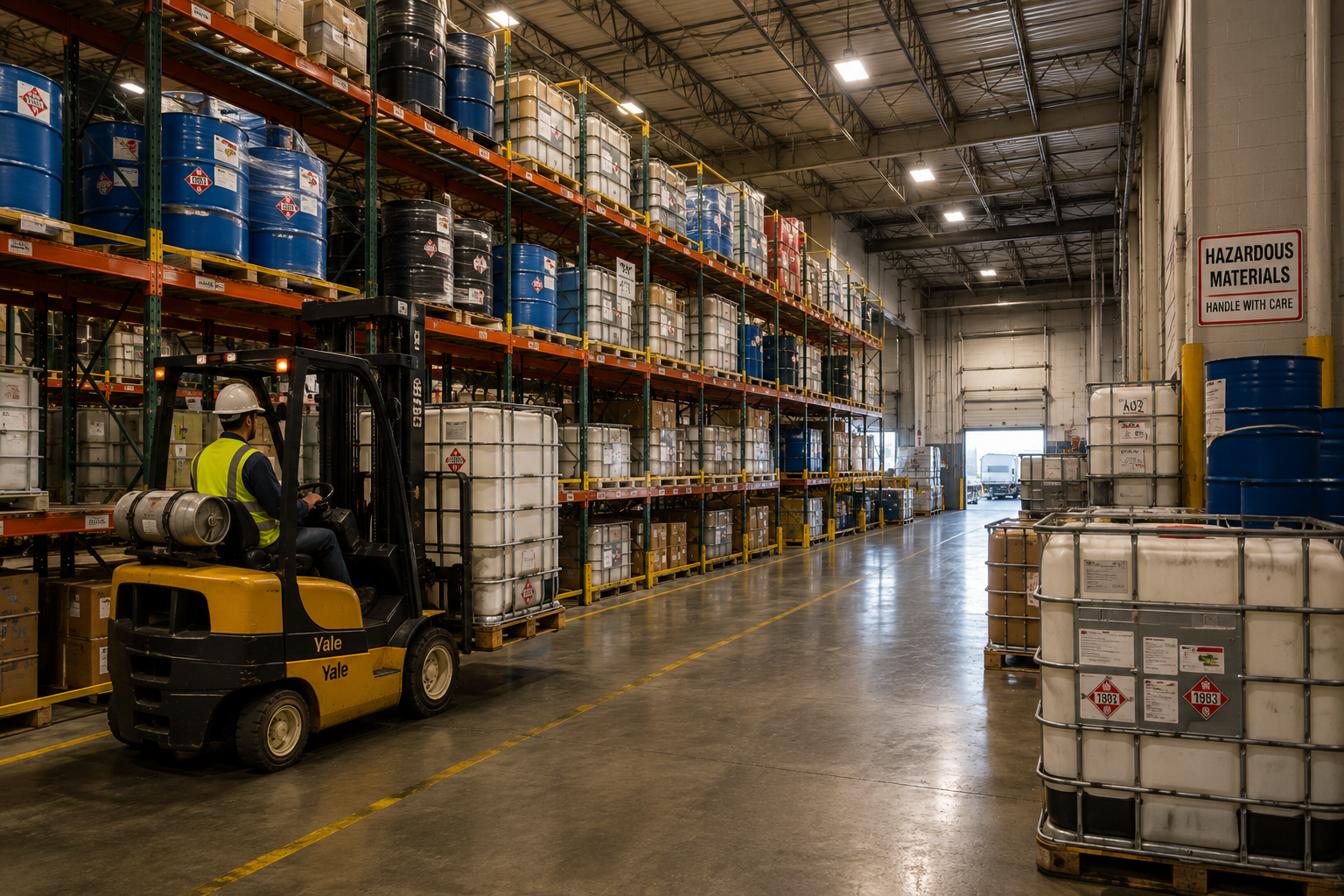
A growing chemical distributor was experiencing increasing complexity in its hazardous materials transportation operations. The company shipped a wide variety of regulated products, including flammable liquids, corrosive materials, and toxic chemicals, through multiple transportation channels. Management wanted an independent review of its DOT hazmat compliance program to verify that regulatory requirements were being met and to identify opportunities for improvement before an inspection, incident, or enforcement action occurred. Particular areas of concern included shipping paper accuracy, employee training documentation, package marking and labeling procedures, and consistency between facilities and personnel.
STARS’ Assessment Process
STARS conducted a comprehensive hazardous materials transportation compliance assessment that included a review of shipping papers, employee training records, written procedures, package markings, labels, and day-to-day operational practices. The assessment focused on both regulatory compliance and practical implementation. Rather than simply identifying deficiencies, the objective was to determine whether the company's processes were workable, sustainable, and capable of producing consistent compliance results over time. Documentation reviews were supplemented with operational observations and interviews with employees responsible for preparing shipments, maintaining records, and overseeing compliance activities.
Key Findings
- Training records were generally maintained but lacked consistency in documenting recurrent training requirements.
- Shipping paper preparation procedures varied between locations, creating unnecessary risk of documentation errors.
- Several opportunities existed to strengthen written procedures and verification processes.
- Certain package marking and labeling activities relied heavily on individual employee knowledge rather than standardized procedures.
- Management reporting metrics could be improved to provide better visibility into compliance performance.
Corrective Actions
STARS developed a series of recommendations focused on improving consistency, accountability, and long-term program effectiveness. Recommendations included standardized shipping paper review procedures, improved training documentation practices, enhanced compliance checklists, and clearer assignment of responsibilities. Additional guidance was provided regarding internal auditing practices, employee competency verification, and management oversight processes. The goal was not simply regulatory compliance but the creation of a practical compliance system that could support continued growth while reducing risk.
The Results
Following implementation of the recommendations, the company significantly improved the consistency of its hazardous materials transportation program. Documentation processes became more standardized, employee responsibilities were clarified, and management gained greater visibility into compliance performance. Most importantly, the organization strengthened its ability to maintain compliance as operations expanded, reducing the likelihood of costly violations, shipment delays, and operational disruptions.
Need help with a similar hazmat compliance issue?
STARS helps companies turn hazardous materials compliance concerns into practical, operationally workable solutions.
Talk With STARS →