The Challenge
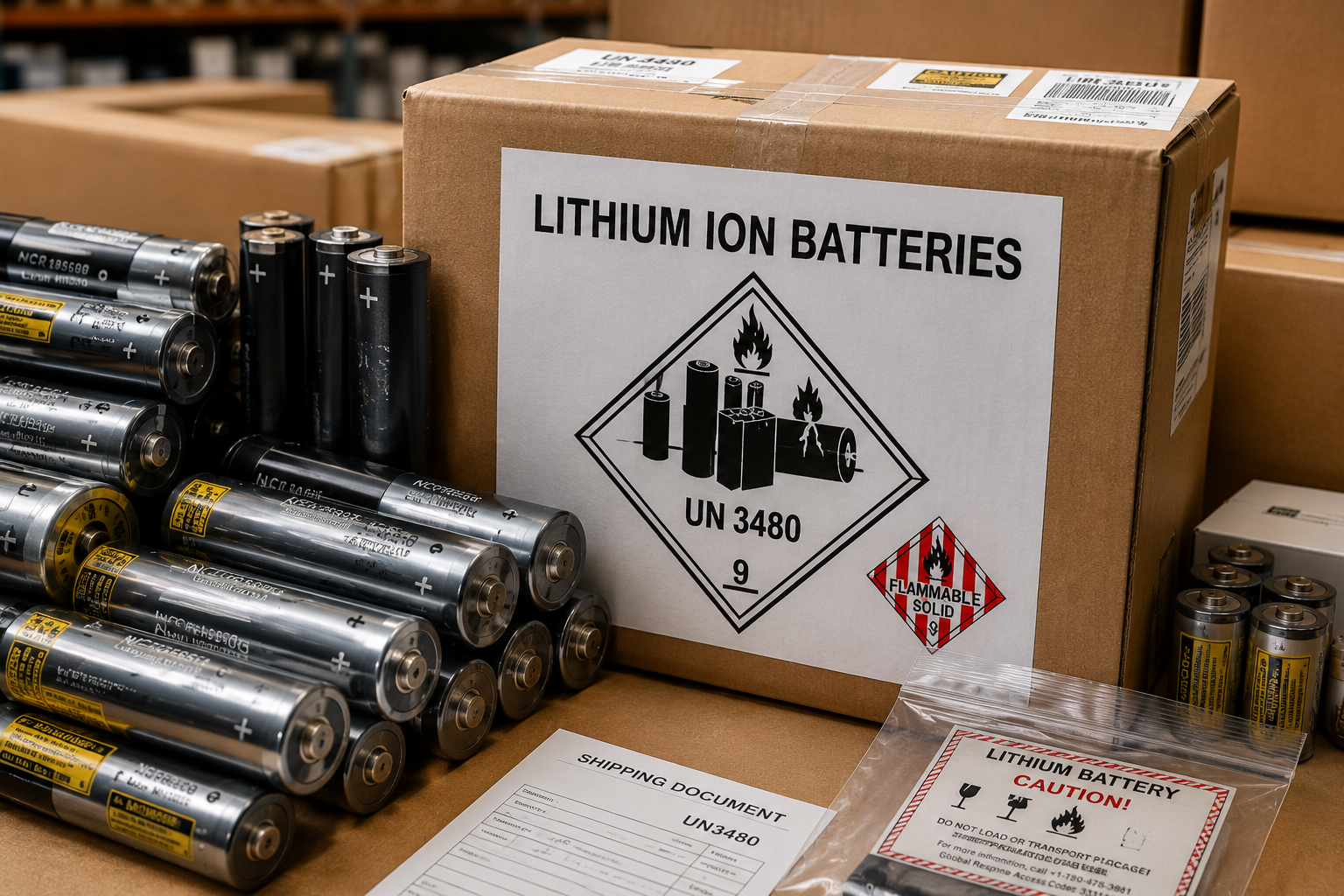
The client manufactured and distributed products containing lithium-ion batteries and was experiencing rapid growth in both domestic and international shipments. As product lines expanded, the company became increasingly concerned about the complexity of lithium battery transportation requirements. Employees were responsible for preparing shipments that included standalone batteries, batteries packed with equipment, and batteries contained in equipment. Management wanted to verify that classifications, packaging methods, markings, labels, and documentation requirements were being applied correctly. The company also wanted confidence that its training program and shipping procedures could support continued growth without creating unnecessary compliance risk.
STARS’ Assessment Process
STARS conducted a comprehensive review of the company's lithium battery shipping program, including product classifications, packaging configurations, employee responsibilities, shipping procedures, and training records. The assessment evaluated how lithium battery requirements were being applied across the operation, including packaging selection, marking and labeling practices, documentation controls, and employee decision-making processes. Special attention was given to identifying areas where employees could unintentionally apply incorrect requirements due to the complexity of lithium battery regulations and the variety of products being shipped. The review also examined how the organization managed product changes, packaging updates, and regulatory revisions that could affect shipping requirements.
Key Findings
- Product classifications were generally accurate but documentation supporting classification decisions could be strengthened.
- Shipping procedures would benefit from greater standardization across product lines.
- Employee training records were maintained but additional role-specific guidance would improve consistency.
- Certain packaging and documentation decisions relied heavily on individual employee knowledge.
- Internal verification processes could be enhanced to reduce the likelihood of shipment preparation errors.
Corrective Actions
STARS developed recommendations designed to simplify decision-making while strengthening compliance controls. Recommendations included improved classification documentation, standardized work instructions, enhanced employee guidance materials, verification procedures, and clearer responsibility assignments. Additional guidance was provided regarding ongoing management of product changes, packaging revisions, and regulatory updates that could impact lithium battery shipments. The objective was to create a system that reduced complexity for employees while maintaining compliance with applicable hazardous materials transportation requirements.
The Results
The client gained greater confidence in its lithium battery shipping program and improved consistency across departments responsible for preparing and managing shipments. Classification decisions became better documented, procedures became easier to follow, and management obtained stronger visibility into compliance performance. Most importantly, the organization established a scalable framework capable of supporting future growth while reducing the risk of costly shipping errors, rejected shipments, and regulatory violations.
Need help with a similar hazmat compliance issue?
STARS helps companies turn hazardous materials compliance concerns into practical, operationally workable solutions.
Talk With STARS →